Showing 251 Results
-
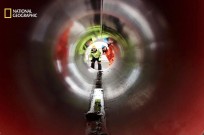 Hydrogen will play an important role in our future energy system. In the documentary 'Hydrogen, our new energy', presenter Anic van Damme goes on a voyage of discovery into the status of hydrogen in the Netherlands. What is already possible? What challenges and solutions are there?
 -
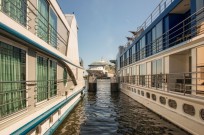
From September 25th it is no longer mandatory to keep one and a half meters away from each other. This is a big step forwards.
-
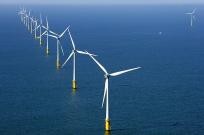
The Netherlands is about to witness the emergence of significantly larger offshore wind farms. In addition to resulting in estimated double revenues for the wind energy industry by 2030, this will lead to the creation of around 25,000 to 30,000 new jobs.
-
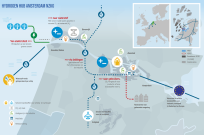 In the presence of a large international group of frontrunners in the field of the hydrogen economy, alderman Victor Everhardt of Economic Affairs of the Municipality of Amsterdam launched the Hydrogen Hub at the World Hydrogen Congress.
 -
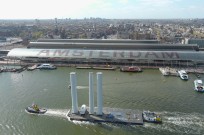 Blades, towers, hubs: all kinds of wind turbine parts have recently been transported via the port of Amsterdam to the construction site of the Netherlands' largest shallow water windfarm: Windpark Fryslân.
 -

For some years Port of Amsterdam has been giving discounts on port dues to vessels listed in the Environmental Ship Index (ESI) that have attained an ESI score of 20 points or higher. As of 1 August, we will be increasing this incentive by adding another discount.
-
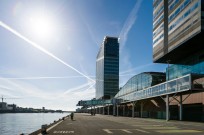 Passenger Terminal Amsterdam expands business by adding river cruise
under the new name Cruise Port Amsterdam. -
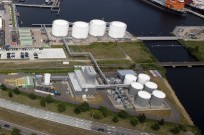
British company Greenergy has acquired the biodiesel plant located in the Port of Amsterdam from the oil storage company Oiltanking.
-
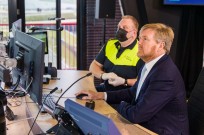
His Majesty the King officially inaugurated operation of the IJmuiden sea lock on Wednesday, 26 January 2022. With a push of a button, King Willem Alexander opened the inner door of the world’s largest sea lock from the Lock Operations Centre (SOC).
-
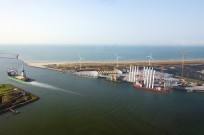
Industrial companies based in the North Sea Canal Area seek to cut carbon emissions by 50% by 2030, bringing them down from the current level of 15 megatons. Virtually all circular waste flows must be recycled by 2050 and carbon emissions minimised.