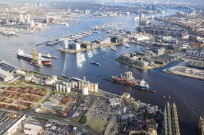
In 2024, we developed a new vision for the Port in 2040 and a four-year strategy for the Amsterdam port. As of today, both documents have been submitted to the City Council for review and feedback.
Showing 251 Results
-
-
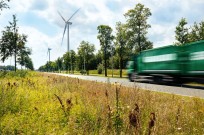
A ruling by the Dutch Council of State on December 18, 2024, has further tightened nitrogen regulations—also affecting businesses in the Amsterdam port area. Entrepreneurs who emit nitrogen near protected nature areas (Natura 2000) will now more often have to meet additional conditions for new projects, even if they already hold a nature permit.
-
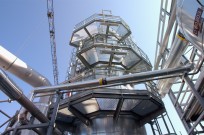
Argent Energy, a European biofuels manufacturer, opened Europe's largest technical-grade glycerine plant in the Amsterdam port area on Friday, September 27. The glycerine plant will upgrade by-products of the biodiesel production process to a product suitable for wide use in the chemical industry.
-
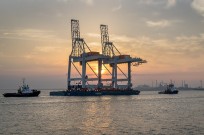
Port of Amsterdam was awarded an LME certification this week by the London Metal Exchange (LME). From now on, Amsterdam is listed as a goods delivery point for aluminium, aluminium alloy, lead, nickel, tin and zinc.
-

Alexander Kousbroek has been appointed Port of Amsterdam’s new Chief Financial Officer (CFO) effective 1 January 2021. He will be succeeding Michiel de Brauw, who is resigning from his position on 31 December 2020.
-
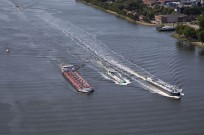
A ban on degassing of benzene and of cargo containing benzene during sailing will apply in North Holland with effect from 1 March 2017. The Executive of North Holland approved the amendment of the provincial environmental regulations on 20 December, to contribute to cleaner inland navigation.
-
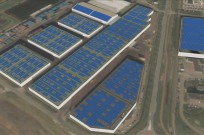
More than 41,000 solar panels will generate sustainable energy in the Port of Amsterdam for logistics services provider CWT. Spread across five locations, the panels will together form the largest solar project in Amsterdam.
-
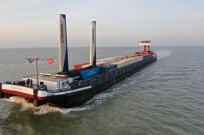
Last week TMA Logistics did a test on container barge Ms Royaal with eConowind. This is a container with collapsible sails that can be sailed partly on wind.
-
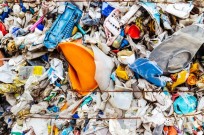
A clean port is a shared responsibility. That’s why Port of Amsterdam is introducing additional measures to keep the waste collection points for inland shipping tidy, safe and accessible.
-

Robust waterways are the backbone of the Dutch freight transport system. That’s why Port of Amsterdam is working within the Topcorridors programme alongside government bodies, companies and nautical partners to build a future proof network of waterways and inland ports.