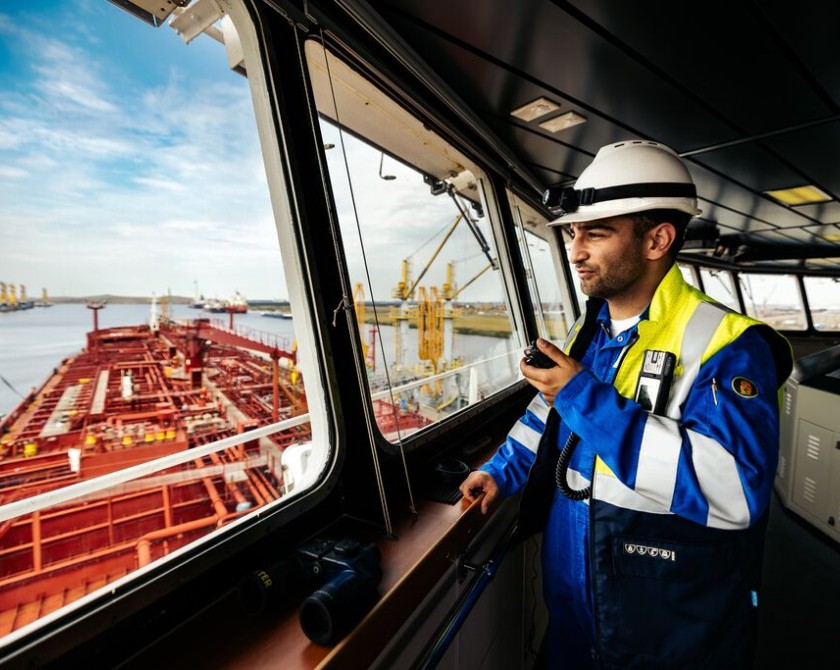
Annual Report 2025: Steadfast and in motion
In 2025, Port of Amsterdam took further tangible steps in its transition from a fossil-based transhipment port to a facilitating Green Port Amsterdam by 2040. We made targeted investments in the energy transition and the circular economy, supported the sustainability efforts of existing clients, and created space for new, future-oriented activities.
Fossil-based transhipment continued to decline, while the share of non-fossil activities in our revenue grew to 70%. At the same time, total throughput remained largely stable at 62.1 million tonnes. Collaboration, at regional, national and international level, once again proved to be a crucial precondition for enabling this transition and strengthening the port’s business climate.
Key developments in 2025
Societal and economic value
Port of Amsterdam strives for a strategic balance between economic development and sustainability. We deliberately choose activities that contribute to both societal and economic value creation. We do this by facilitating sustainable investments, making cargo flows and production processes more sustainable, and attracting companies that align with today’s transition challenges.
The region plays a central role in this. Industry and the port together form the industrial heart of the Amsterdam Metropolitan Area, where vital chains converge in the fields of energy, raw materials, food and circular flows. By strengthening these connections, we are building a future-proof port ecosystem.
Energy transition
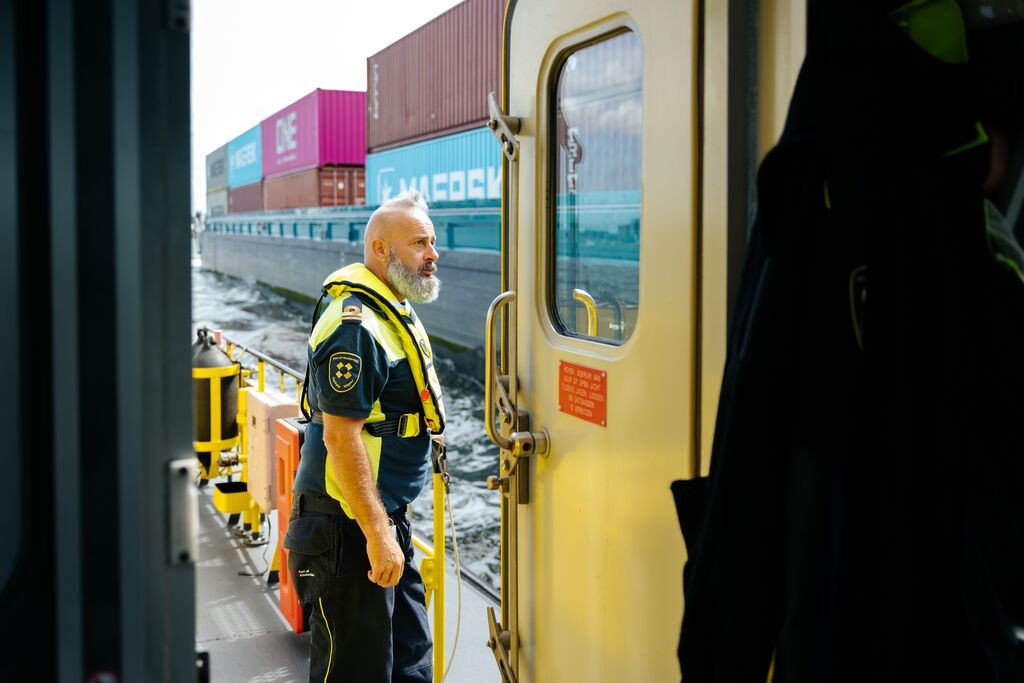
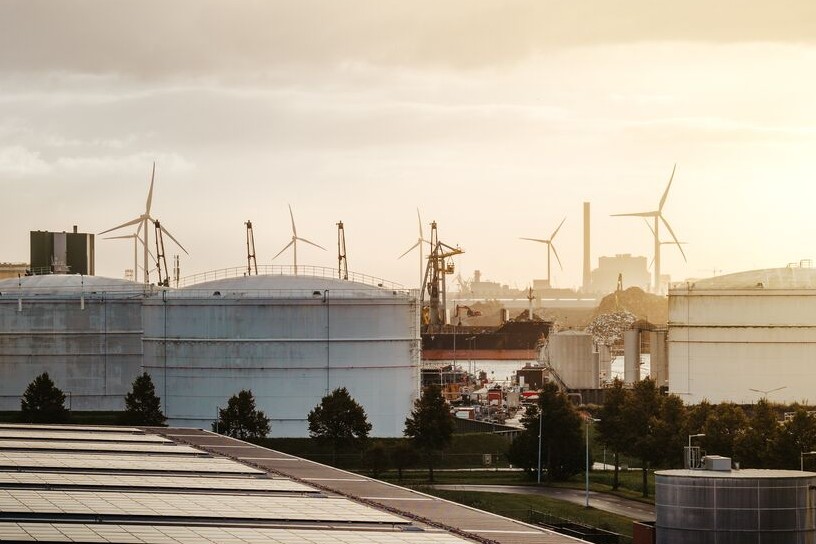
In 2025, we further accelerated the implementation of the energy transition. With the commissioning of shore power at the Passenger Terminal Amsterdam as a key milestone: the first sea cruise ships connected to shore power five years ahead of the legal requirement. We also carried out the first bunkering operations using methanol and hydrogen.
In addition, we worked on the transition of coal terminals, the development of infrastructure for new energy and raw material flows, and the establishment of the Port Transition Fund, which supports companies in the port area in making major sustainability investments. At an international level, we entered into partnerships for the development of hydrogen import corridors and the export of liquid CO₂.
Collaboration is key
Collaboration was one of the key themes of 2025. Within the North Sea Canal Area and together with the Dutch seaports, we worked on building a digitally resilient port ecosystem. We also intensified our collaboration with government authorities to ensure careful use of scarce space, while maintaining room for the energy transition and circular industry.
Our partnership with Port of Den Helder was further strengthened, including through the acquisition of the Blue Port Centre. This step underlines the importance of regionalisation: only by joining forces can we realise complex transitions and strengthen the business climate of the port region.
Efforts in a time of tension
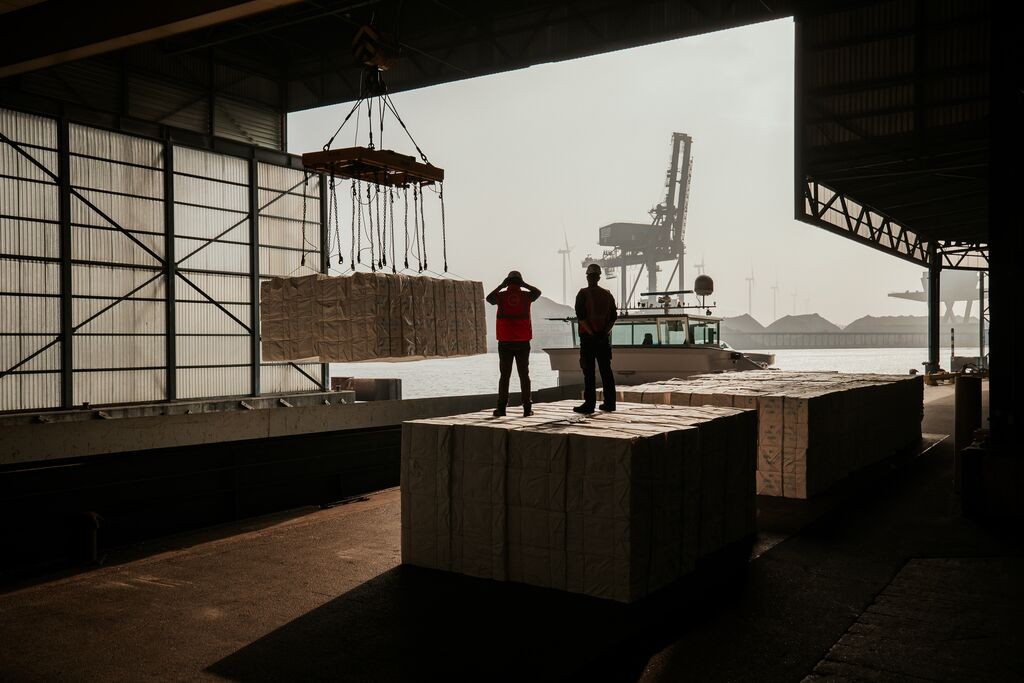
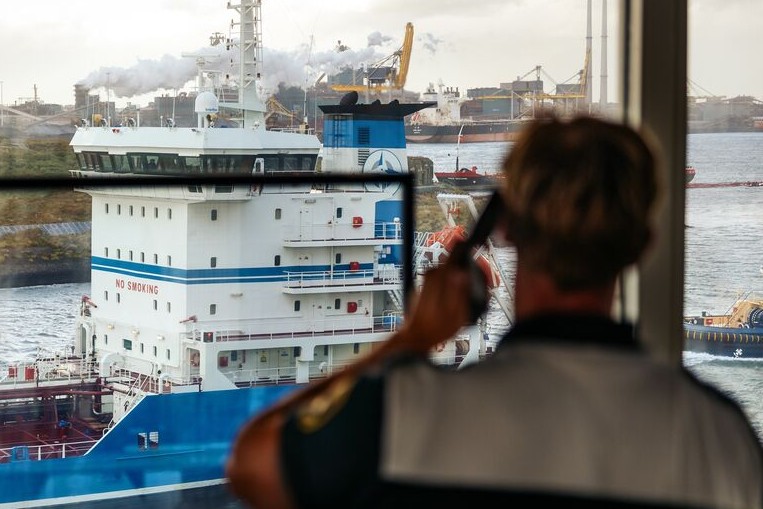
The Port of Amsterdam plays an important role in ensuring Europe’s security of supply for energy and raw materials. This role gained additional significance in 2025 due to ongoing geopolitical tensions, disruptions in supply chains, sabotage of critical infrastructure, and high energy and raw material prices.
In this context, we made every effort to safeguard the continuity, safety and accessibility of the port. At the same time, we took responsibility to continue investing especially in the transition to a cleaner, more sustainable society. In doing so, we are strengthening not only the resilience of the port, but also its long-term value.
Vision 2040 and Strategy 2025-2028
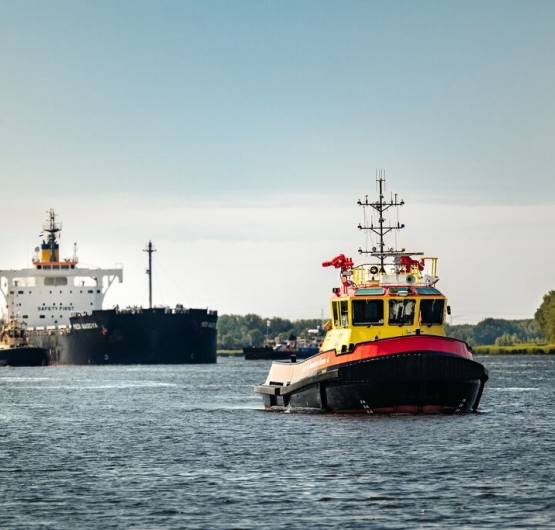
In 2024, together with partners and stakeholders, we developed the Vision 2040 “Green Port Amsterdam: a destination port for clean shipping, circular industry, and renewable energy,” as well as the new Strategy 2025–2028. These documents outline our vision of a port that is fully equipped to be climate neutral by 2050, attracting activities and cargo flows that align with this goal. We have a strong foundation and continue to invest in a port that adds value to both the economy and society.